Making Wonder: The Whimsical Handwritten Font for Crafters and Sellers
As a creator who spends hours designing labels, cutting vinyl, and formatting digital downloads, I know that typography is often the silent salesperson. It sets the tone before a customer even reads the description. When you are selling handmade goods or digital printables, the font you choose communicates quality, personality, and care. This is where Making Wonder shines. Released by Script Amp, this whimsical handwritten font brings an enchanting charm to any project, transforming simple designs into memorable brand experiences.
If you have been searching for a typeface that feels personal yet remains commercially viable, Making Wonder offers a perfect balance of artistic flair and practical usability. Whether you are creating festive greeting cards, charming gift tags, or elegant wedding invitations, this script font adds a layer of emotional appeal that standard fonts simply cannot match.
The Visual Personality of Making Wonder
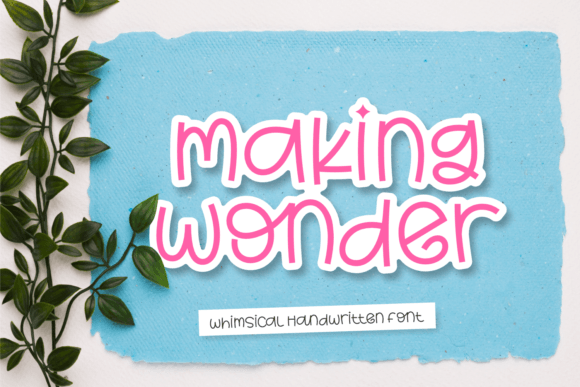
Making Wonder is not just another generic cursive font; it has a distinct visual voice. It captures the essence of modern calligraphy with a relaxed, organic flow. The letters feel hand-drawn, giving your designs an authentic, artisanal touch that resonates deeply with customers who value handmade aesthetics. The strokes vary in thickness, mimicking the natural pressure of a brush or pen, which adds depth and character to your work.
This font excels in display use. Its playful yet sophisticated style makes it ideal for short phrases, names, titles, and decorative wording. However, because it is a handwritten font, it requires strategic placement. It is best used as a focal point rather than for body text. When you see a product label with Making Wonder prominently displayed, it immediately suggests that the item inside is crafted with love and attention to detail.
Practical Applications for Handmade Businesses
One of the most common questions I get from fellow sellers is, "Where should I use this font?" The versatility of Making Wonder allows it to fit into a wide array of craft and product-based projects. Here are some of the most effective ways to integrate this typeface into your business:
- Product Labels and Stickers: For candle makers, soap artisans, or jam producers, Making Wonder adds a boutique feel to packaging design. Use it on kraft paper labels to create a rustic, farmhouse aesthetic, or on glossy stickers for a modern, clean look.
- Greeting Cards and Invitations: The whimsical nature of this script font is perfect for birthday invitations, baby shower cards, and holiday-themed ventures. It brings warmth to stationery designs, making recipients feel personally addressed.
- Wall Art and Printables: Digital creators can use Making Wonder to design inspirational quotes, nursery art, or seasonal decor. Because it is a premium font, you can offer high-resolution PDFs or PNGs that maintain clarity when printed at various sizes.
- Signage and Banners: For Cricut and Silhouette users, Making Wonder translates beautifully to vinyl. It works well for welcome boards, bar signs, and event backdrops. The curves cut cleanly, ensuring your physical products look professional.
- Merchandise Design: When transferring designs to mugs, shirts, or tote bags via sublimation or heat transfer vinyl (HTV), the legibility of Making Wonder ensures your brand name or slogan stands out without looking cluttered.
Readability and Production Considerations
While Making Wonder is visually striking, there are practical considerations for production. As a designer, you must ensure that your text remains readable, especially on small formats. When creating small stickers or product labels, avoid using the entire phrase in Making Wonder if it becomes too dense. Instead, use it for the main headline and pair it with a simpler font for secondary information like ingredients or instructions.
For cutting machines, always check the kerning and spacing. Handwritten fonts can sometimes have overlapping letters or tight spacing that might cause issues with weeding vinyl or printing errors. Make sure to expand outlines or convert to paths in your design software before sending files to your cutter. Additionally, test print your designs at actual size to verify that the thin strokes of the font do not disappear on textured materials like wood or fabric.
Effective Font Pairing Strategies
To maximize the impact of Making Wonder, pairing it correctly is essential. A common mistake among new designers is overloading a design with multiple expressive scripts. Instead, let Making Wonder be the star by pairing it with a clean, neutral typeface.
Pairing with Sans Serif Fonts: Combining Making Wonder with a clean sans serif font creates a modern contrast. The simplicity of the sans serif balances the flourish of the script, making the overall design feel contemporary and easy to read. This combination works exceptionally well for brand identity packages and social media graphics.
Pairing with Serif Fonts: For a more traditional or elegant look, pair the handwritten font with a classic serif font. This duo evokes a sense of heritage and sophistication, ideal for luxury packaging design or formal wedding stationery.
By contrasting the organic curves of Making Wonder with the structured lines of a serif or sans serif font, you guide the viewer’s eye through your design hierarchy effectively.
Licensing and Commercial Use
For small shop owners and commercial craft sellers, understanding licensing is crucial. Making Wonder is a commercial font, meaning you need to ensure you have the appropriate license to use it for profit-generating activities. Most commercial licenses allow for the creation of physical products (like t-shirts, mugs, and cards) that you sell, as well as digital downloads such as SVG files, templates, and printables.
However, always review the specific terms provided by Script Amp. Some licenses may restrict the number of end-products or require attribution. Proper licensing protects your business from legal issues and supports the designers who create these valuable assets. Investing in a good commercial font like Making Wonder is an investment in the professionalism and longevity of your brand.
Final Tips for Implementation
When incorporating Making Wonder into your workflow, take advantage of the included styles, alternates, ligatures, and swashes if available. These features allow you to customize text and add unique touches that make your designs stand out. For example, using a swash on the capital letter can add elegance to a logo design or a monogram.
Also, consider multilingual support if your audience is global. Check if the font includes extended character sets for accented languages, which can broaden your market reach. Finally, keep your mockups clean and focused. Let the beauty of the typography speak for itself by avoiding distracting backgrounds or overly complex elements that compete with the font’s charm.
In conclusion, Making Wonder is more than just a font; it is a tool for storytelling. It helps you convey the heart and soul of your handmade creations. By using it thoughtfully, paired with complementary types, and respecting production limitations, you can elevate your products from ordinary to extraordinary. Whether you are labeling a batch of homemade soaps or designing a set of digital planners, Making Wonder provides the whimsical touch that customers love and remember.